Core Services
Seamless gutter installation, precision repairs, thorough cleanings, and advanced protection systems for homes and businesses across the Wiregrass.
Installation, repair, cleaning, and protection systems tailored for Lower Alabama.
Request Service — (208) 715-1414Seamless gutter installation, precision repairs, thorough cleanings, and advanced protection systems for homes and businesses across the Wiregrass.
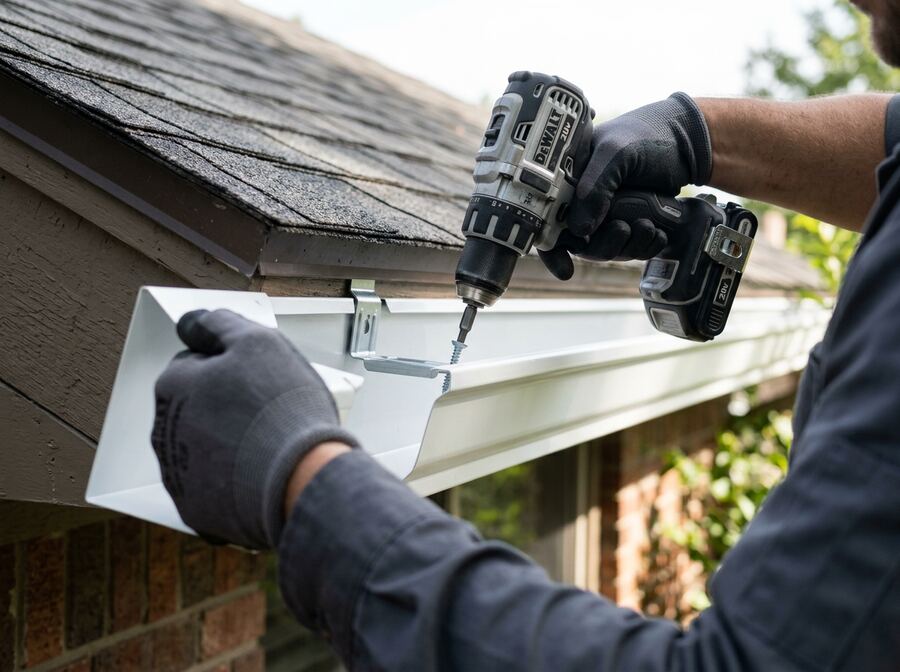
If you own a home in the Wiregrass region of Alabama — covering cities like Dothan, Enterprise, Ozark, and Troy — protecting your property from water damage is a year-round concern. The area receives an average of 55 to 60 inches of rainfall annually, well above the national average, with heavy downpours common throughout spring and summer. Without a properly functioning gutter system, that water can pool against your foundation, erode your landscaping, and cause costly structural damage over time. Investing in quality gutter installation is one of the smartest decisions a Wiregrass homeowner can make.
Not all gutter systems are created equal, and the climate of the Wiregrass region calls for specific considerations. Seamless aluminum gutters are the most popular choice in the area because they resist rust, hold up well in high humidity, and minimize leaks since they have no joints along their length. For homes surrounded by the region's iconic longleaf pine trees or other foliage, wider 6-inch gutters are often recommended over the standard 5-inch variety — they handle high-volume water flow better and are less prone to clogging with debris. Gutter guards are also worth considering, as they reduce maintenance and keep gutters flowing freely during the intense summer storms the Wiregrass regularly experiences.
While some homeowners attempt to install gutters themselves, professional installation is strongly recommended in the Wiregrass area for several reasons. The region's clay-heavy soils are particularly vulnerable to erosion and foundation shifting when drainage is inadequate, meaning improper gutter pitch or placement can have serious long-term consequences. A licensed local contractor will assess your roofline, calculate the correct downspout placement for your lot's slope, and ensure water is directed well away from your home's foundation. Most professional installations in the Dothan and Enterprise area include a warranty on both labor and materials, giving homeowners added peace of mind.
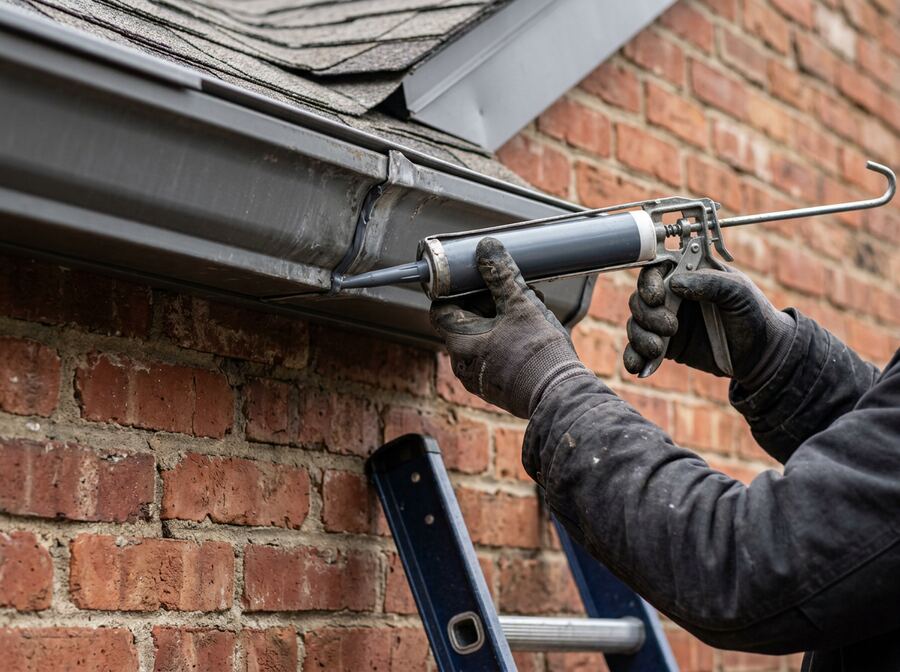
Even the best gutter systems don't last forever — especially in a climate as demanding as the Wiregrass region of Alabama. Between the heavy spring and summer storms, intense humidity, and the weight of debris from surrounding pine and hardwood trees, gutters in the Dothan, Enterprise, Ozark, and Troy areas take a real beating year after year. Over time, even professionally installed gutters can pull away from the fascia, develop leaks at the seams, or lose their proper pitch — causing water to pool and overflow rather than drain away from your home. The good news is that timely gutter repair and realignment can extend the life of your system significantly and prevent far more expensive foundation or siding repairs down the road.
Homeowners in the Wiregrass region tend to encounter a handful of recurring gutter issues. Sagging or pulling gutters are among the most common, often caused by the weight of standing water and wet debris combined with the region's frequent temperature swings. When gutters sag, they lose their slope — typically a quarter inch of drop per 10 feet of gutter — and water sits rather than flows toward the downspout. Leaking seams and joints are another frequent problem, as the caulk and sealant that holds sectional gutters together degrades over time in Alabama's heat and humidity. Homeowners may also notice gutters that have separated from the roofline entirely, usually a sign that the fascia board behind them has rotted due to prolonged moisture exposure — a problem that requires both fascia repair and gutter reattachment to fix properly.
Gutter realignment is often overlooked because gutters that are slightly off-pitch still appear to be working — until the next heavy rain reveals standing water or overflow. In the Wiregrass region, where summer thunderstorms can dump inches of rain in a matter of hours, even a minor slope issue can lead to water cascading over the gutter edge and directly against your home's foundation. Given the area's clay-heavy soils, that kind of repeated water intrusion can lead to foundation settling or shifting over time. A professional gutter contractor can re-pitch your gutters using specialized hangers and brackets, restoring proper drainage without requiring a full replacement. This is often a cost-effective middle ground for gutters that are structurally sound but no longer draining correctly.
One of the most common questions Wiregrass homeowners ask is whether to repair their existing gutters or invest in a full replacement. As a general rule, repairs make sense when damage is isolated — a single leaking seam, a few loose hangers, or one section that has pulled away from the fascia. If your gutters are less than 15 years old and made of aluminum, targeted repairs are usually well worth the investment. Replacement becomes the smarter choice when gutters are extensively corroded, when multiple sections are sagging or separating, or when the underlying fascia has sustained widespread rot damage. A reputable local contractor serving the Dothan and Enterprise area can walk you through an honest assessment and help you weigh the costs of each option.
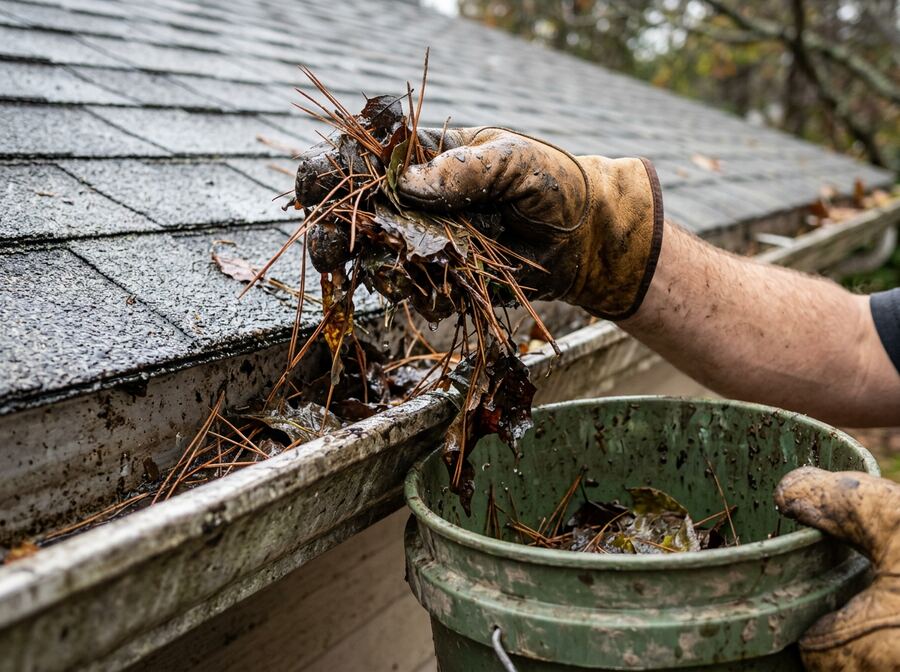
Gutter cleaning is one of the most important — and most commonly neglected — aspects of home maintenance in the Wiregrass region of Alabama. With its dense canopy of longleaf pines, water oaks, sweet gums, and other hardwoods, the area around Dothan, Enterprise, Ozark, and Troy generates a near-constant supply of leaves, pine needles, seed pods, and twigs that find their way into gutters throughout the year. Add in the region's heavy rainfall and you have a recipe for clogged, overflowing gutters that can cause serious damage to your roof, siding, and foundation. Staying on top of gutter cleaning isn't just about aesthetics — it's one of the most cost-effective ways to protect your home from water damage.
What makes gutter maintenance particularly important in the Wiregrass area is the combination of year-round debris and intense seasonal rainfall. Unlike many parts of the country where gutters only clog during fall leaf drop, Wiregrass homeowners deal with pine straw in winter and spring, oak pollen and catkins in early spring, seed pods and sweet gum balls through summer, and broad leaf drop in the fall. This nearly year-round cycle of debris means gutters can go from clear to clogged in just a few weeks. When a summer thunderstorm rolls through — dropping two or three inches of rain in an hour — a clogged gutter has nowhere to send that water except over the edge and down your home's exterior walls. Over time, this leads to stained siding, rotted fascia, eroded landscaping, and moisture intrusion at the foundation.
The standard recommendation of twice-yearly gutter cleaning simply isn't enough for most homes in the Wiregrass region. Due to the area's extended growing season and heavy tree cover, most local contractors recommend cleaning gutters three to four times per year. A practical schedule for Wiregrass homeowners looks something like this: once in late winter or early spring to clear out pine straw and winter debris before storm season ramps up; again in early summer after the spring pollen and seed pod drop; a third time in mid-fall as broadleaf trees begin to shed; and a final cleaning in late fall or early winter once the leaves have fully dropped. Homes with heavy tree cover directly overhead may benefit from even more frequent inspections, particularly after major storms that can dump large volumes of debris all at once.
A thorough gutter cleaning goes well beyond simply scooping out visible debris. A professional service will clear all leaves, pine needles, and buildup from the gutter channels, flush the system with water to check for proper drainage and pitch, clear any blockages from the downspouts, and inspect the gutters for early signs of damage like loose hangers, separating seams, or developing rust spots. This last point is particularly valuable — a trained eye catching a minor issue during a routine cleaning can save hundreds or thousands of dollars in repairs later. While DIY gutter cleaning is possible for single-story homes, it carries real safety risks, and many homeowners in the Wiregrass area find that a professional service is well worth the modest cost for the peace of mind and the added inspection it provides.
If you've ever climbed a ladder to scoop pine straw and soggy leaves out of your gutters — or paid someone else to do it three or four times a year — you've probably wondered whether a gutter protection system is worth the investment. For homeowners in the Wiregrass region of Alabama, the answer is often yes. The combination of heavy tree cover, nearly year-round debris, and intense seasonal rainfall that defines the Dothan, Enterprise, Ozark, and Troy area makes this one of the parts of the country where gutter guards deliver the most tangible value. That said, not all gutter protection systems are created equal, and choosing the right type for your home and landscape makes a significant difference in how well they perform.
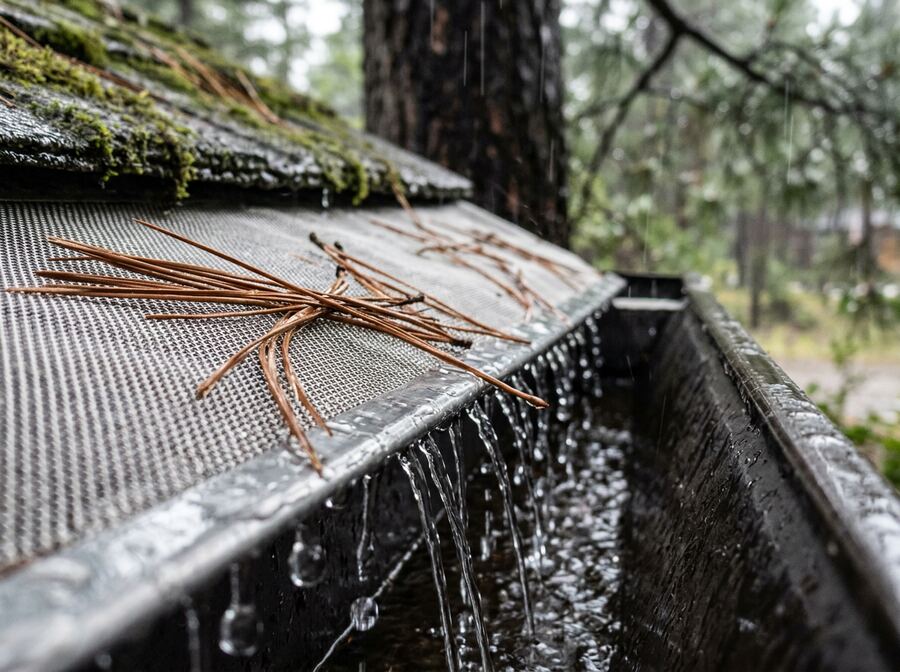
There are several categories of gutter protection systems on the market, and each handles the Wiregrass region's particular mix of debris a little differently. Micro-mesh guards are widely considered the most effective option for this area — they feature a fine stainless steel mesh that allows water to pass through while blocking pine needles, sweet gum balls, oak pollen, and small seed pods that would slip past coarser systems. Screen and perforated guards are a more budget-friendly option and work reasonably well for larger debris like leaves, but tend to let pine straw and small particles through over time. Reverse-curve or surface-tension guards direct water around a curved edge and into the gutter, but can struggle to keep up with the high-volume downpours common in Wiregrass summers. Foam and brush inserts, while inexpensive, tend to trap debris within the guard itself in humid climates and generally aren't recommended for the region. For most Wiregrass homeowners, a professionally installed micro-mesh system offers the best balance of performance and longevity.
Few regions in the Southeast make a stronger case for gutter protection than the Wiregrass area. The longleaf pine ecosystem that gives the region much of its natural character also means a nearly uninterrupted supply of pine straw dropping into gutters from fall through spring. Layer on top of that the sweet gum seed pods, water oak leaves, and seasonal pollen, and most unprotected gutters in the area need attention multiple times a year just to stay functional. Add the region's average of 55 to 60 inches of annual rainfall — much of it falling in intense summer storms — and clogged gutters aren't just an inconvenience, they're a genuine threat to your home's foundation, fascia, and landscaping. Gutter guards significantly reduce the frequency of cleaning needed and help ensure your gutters are flowing freely when a major storm hits.
One important thing for Wiregrass homeowners to understand is that gutter guards reduce maintenance, but they don't eliminate it entirely. Even the best micro-mesh systems will accumulate some debris on the surface over time and benefit from an annual rinse or light cleaning. In areas with very heavy pine straw fall directly overhead, some buildup on top of the guards is inevitable and should be cleared away so water can continue to flow through freely. The honest promise of a quality gutter protection system isn't that you'll never touch your gutters again — it's that you'll go from cleaning them three or four times a year to once a year or less. For most homeowners in the Dothan and Enterprise area, that reduction in labor, cost, and ladder-related safety risk is well worth the upfront investment.